Your tooth enamel is the hardest substance in the human body, but that doesn’t mean it’s indestructible. Every day, your enamel goes through a natural cycle of breakdown and repair. Understanding this process, known as remineralization, can help you protect your teeth, prevent cavities, and support long-term oral health in a natural, proactive way.
Let’s explore how remineralization works, what weakens enamel, and the dietary and treatment strategies that can help strengthen it.
What Is Tooth Enamel and Why Does It Matter?
Tooth enamel is the thin, outer layer that protects your teeth from decay, sensitivity, and damage. It’s made mostly of minerals, primarily calcium and phosphate, arranged in a crystal structure. While enamel is incredibly strong, it does not contain living cells. This means that once it’s lost, your body can’t grow it back.
The good news? Early enamel damage can often be reversed through remineralization before it turns into a cavity.
Demineralization vs. Remineralization: A Daily Tug-of-War
Throughout the day, your teeth are constantly exposed to acids from foods, beverages, and bacteria in the mouth. These acids pull minerals out of the enamel in a process called demineralization. If this continues unchecked, enamel weakens and decay can begin.
Remineralization is the natural repair process that restores lost minerals back into the enamel. Saliva plays a key role by delivering calcium and phosphate to the tooth surface and neutralizing acids.
When demineralization outweighs remineralization, cavities form. When remineralization wins, enamel becomes stronger and more resistant to decay.
The Role of Key Minerals
- Calcium: The primary building block of enamel, calcium strengthens tooth structure and helps restore weakened areas.
- Phosphate: Works alongside calcium to rebuild enamel crystals.
- Fluoride: Enhances remineralization by helping minerals bind more tightly to enamel and making teeth more acid-resistant.
Together, these minerals reinforce enamel and slow or stop early decay.
Dietary Strategies to Support Remineralization
What you eat has a direct impact on your enamel health. Here are some enamel-friendly nutrition tips:
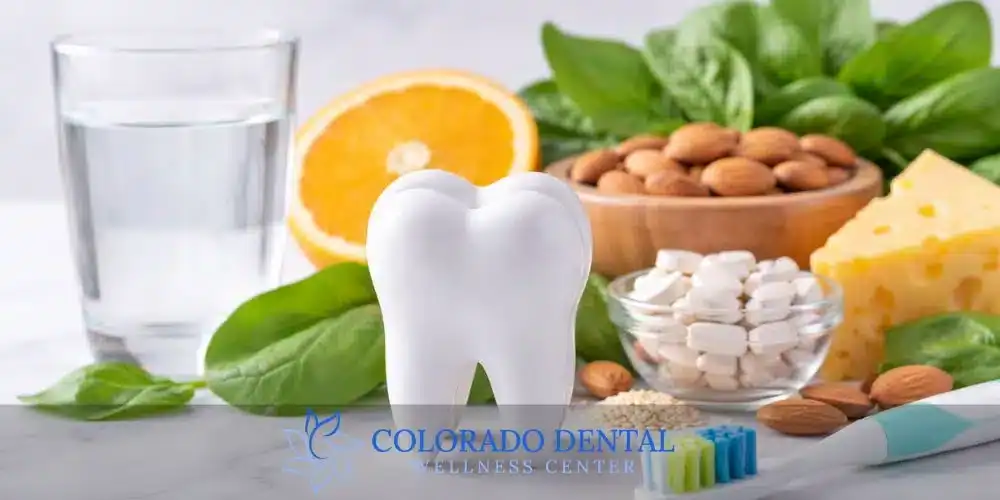
- Prioritize Mineral-Rich FoodsFoods high in calcium and phosphate help replenish enamel, including:
- Dairy products like yogurt, cheese, and milk
- Leafy greens such as kale and spinach
- Almonds and sesame seeds
- Sardines and salmon (with bones)
- Get Enough Vitamin D
Vitamin D helps your body absorb calcium efficiently. Sources include sunlight, fatty fish, egg yolks, and fortified foods. - Limit Sugary and Acidic Foods
Frequent exposure to sugar and acids fuels harmful bacteria and increases demineralization. Soda, sports drinks, citrus juices, and sticky snacks are common culprits. - Stay Hydrated
Drinking water helps wash away acids, supports saliva flow, and promotes remineralization throughout the day. - Chew Sugar-Free Gum
Xylitol-containing gum stimulates saliva production and helps neutralize acids after meals.
Oral Care Habits That Strengthen Enamel
Your daily oral hygiene routine plays a major role in supporting remineralization.
- Brush twice daily with a remineralizing toothpaste containing fluoride, nano-hydroxyapatite, or calcium phosphate.
- Avoid overbrushing, which can wear down enamel. Use a soft-bristled toothbrush and gentle pressure.
- Wait 30–60 minutes after consuming acidic foods or drinks before brushing to avoid damaging softened enamel.
- Floss daily to reduce bacteria that contribute to acid production.
Professional Treatments That Support Remineralization
In addition to at-home care, our dental team can offer treatments that enhance enamel repair:
Fluoride Treatments
Professional fluoride varnishes or gels provide a concentrated boost to help remineralize weakened enamel and reduce sensitivity.
Calcium-Phosphate Therapies
Some in-office or prescription products deliver bioavailable calcium and phosphate directly to the teeth for targeted repair.
Sealants and Preventive Care
Dental sealants protect vulnerable grooves in the teeth, especially in children and teens, reducing acid exposure and decay risk.
Regular dental visits allow early signs of enamel weakening to be identified and addressed before cavities develop.
Can Enamel Be Fully Restored?
It’s important to understand that remineralization works best in the early stages of enamel damage. Once a cavity forms, restorative treatment such as a filling is needed. That’s why prevention and early intervention are so important.
Think of remineralization as strengthening and fortifying what’s already there, helping your teeth stay healthy for the long haul.
A Natural, Proactive Approach to Enamel Health
Remineralization is one of your body’s most powerful tools for maintaining strong, healthy teeth. By supporting this process with smart nutrition, good oral hygiene, and professional dental care, you can protect your enamel naturally and reduce your risk of decay.
We welcome you to contact us today at the Colorado Dental Wellness Center for more information about enamel remineralization and how you can keep your smile in optimal health.