In recent years, many people interested in holistic health have rediscovered traditional oral-care practices such as oil pulling, herbal mouth rinses, and saltwater gargles. These methods often come from ancient healing systems like Ayurveda and traditional herbal medicine, where they were used long before modern toothpaste and mouthwash existed.
But how well do these approaches actually work? And how do they fit into modern dentistry?
Let’s explore the science, benefits, and common myths surrounding oil pulling and other traditional oral-rinsing practices.
What Is Oil Pulling?
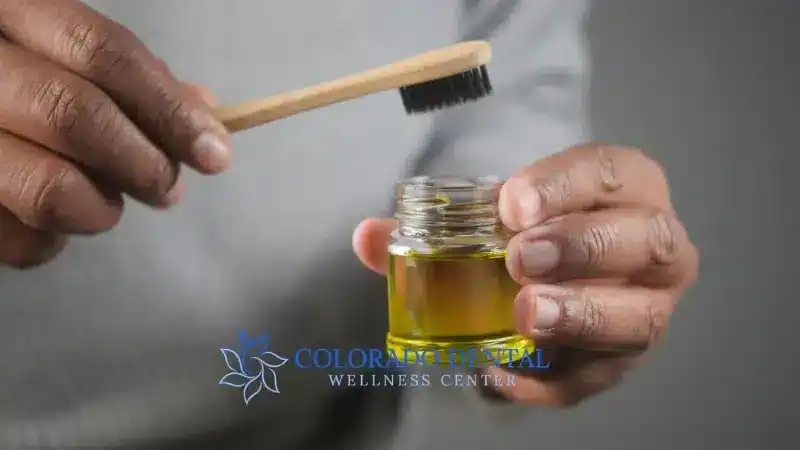
Oil pulling is an ancient Ayurvedic practice that involves swishing oil in the mouth for several minutes and then spitting it out. Traditionally, sesame oil was used, but today coconut oil and sunflower oil are also common choices.
The typical routine looks like this:
- Place 1–2 teaspoons of oil in the mouth
- Swish gently for about 10–20 minutes
- Spit the oil out (usually into the trash to avoid clogging pipes)
- Brush and floss as usual
Supporters of oil pulling claim it can whiten teeth, remove toxins, improve gum health, and freshen breath.
While some of these claims are exaggerated, research suggests there may be modest benefits.
What the Research Says About Oil Pulling
Several small clinical studies have examined oil pulling’s effects on oral health. These studies suggest the practice may reduce certain bacteria in the mouth and help lower plaque levels.
For example, clinical research has found that coconut oil pulling can significantly reduce plaque and gingivitis scores when used regularly alongside normal oral hygiene. In one study, participants who practiced oil pulling experienced measurable decreases in plaque buildup and gum inflammation over several weeks.
Other research suggests oil pulling may reduce bacterial colony counts in saliva, which could contribute to improved oral hygiene.
However, most studies are small and short-term. Systematic reviews conclude that while oil pulling may provide some benefit, the overall quality of evidence is limited and results vary between studies.
In other words, oil pulling may help—but it’s not a miracle cure.
Why Oil Pulling Might Work
Researchers believe oil pulling may support oral health through a few mechanisms:
-
Mechanical cleaning
-
Antimicrobial properties
-
Biofilm disruption
Swishing oil around the mouth may help loosen debris and plaque from teeth and gums.
Certain oils contain compounds that may help inhibit bacterial growth. For example, coconut oil contains lauric acid, which has antimicrobial and anti-inflammatory properties.
Dental plaque is essentially a bacterial biofilm. Oils may help break down or trap some of these bacteria during swishing.
These mechanisms could explain why some studies show reductions in plaque or gingival inflammation.
Still, oil pulling does not remineralize enamel, repair cavities, or replace fluoride-based protection. (Journal of Contemporary Dental Sciences)
Common Myths About Oil Pulling
Because oil pulling has gained popularity online, a number of myths have circulated about its benefits.
Here’s what the science actually says.
Myth: Oil pulling cures cavities.
There is no evidence that oil pulling can heal or reverse tooth decay. Cavities require professional treatment or remineralization strategies supported by fluoride and proper dental care.
Myth: Oil pulling replaces brushing and flossing.
Oil pulling should never replace brushing and flossing. Dentists consider it a supplemental practice, not a primary oral hygiene method.
Myth: Oil pulling detoxifies the body.
The idea that oil pulling removes toxins from the bloodstream is not supported by scientific evidence. The mouth is not a major detoxification pathway for the body.
Myth: It dramatically whitens teeth.
Some people notice slightly brighter teeth after oil pulling because it may help remove surface stains. However, it does not chemically whiten teeth the way professional whitening systems do.
Herbal Mouth Rinses in Traditional Medicine
Oil pulling isn’t the only traditional oral rinse. Many cultures have used herbal preparations for oral health.
Some commonly used herbal rinses include:
- Saltwater rinses – widely used to soothe inflamed gums and promote healing
- Green tea rinses – contain polyphenols that may inhibit oral bacteria
- Neem extracts – traditionally used in Ayurvedic oral care
- Clove and sage rinses – known for antimicrobial and anti-inflammatory properties
Many of these plants contain natural compounds that may help reduce bacteria or inflammation in the mouth. However, like oil pulling, they work best as supportive practices rather than replacements for conventional dental care.
Where Holistic Dentistry Fits In
Holistic dentistry often emphasizes the connection between oral health and whole-body wellness. From this perspective, traditional practices like oil pulling may be viewed as part of a broader lifestyle approach that includes:
- Healthy nutrition
- Proper breathing and airway health
- Stress reduction
- Non-toxic oral care products
- Consistent preventive dental care
When used thoughtfully, traditional oral rinsing practices may complement modern dental care, especially for patients who prefer natural wellness routines.
The key is balance: integrating time-tested traditions with evidence-based dentistry.
Practical Guidelines for Patients
If you’re curious about oil pulling or herbal rinses, here are a few safe guidelines to keep in mind:
- Use them as an addition, not a replacement.
- Keep expectations realistic.
- Avoid swallowing the oil.
- Choose high-quality oils.
- Talk with your dentist.
Continue brushing twice daily with fluoride toothpaste and flossing regularly.
These methods may support gum health or reduce bacteria but will not cure dental disease.
After swishing, spit it out to remove the trapped bacteria and debris.
If practicing oil pulling, many people prefer coconut or sesame oil.
If you have gum disease, cavities, or other oral health concerns, professional care is essential.
The Bottom Line
Traditional oral-rinsing methods like oil pulling and herbal rinses have been used for centuries, and emerging research suggests they may provide modest oral health benefits, particularly for reducing bacteria and supporting gum health.
However, the scientific evidence remains limited, and these practices should never replace proven dental hygiene habits such as brushing, flossing, and regular dental visits.
When combined with modern preventive care, these ancient traditions may offer a thoughtful bridge between holistic wellness and contemporary dentistry. To learn more about the benefits of these and other dental practices, we welcome you to contact us today at Colorado Dental Wellness Center.