Most parents think about brushing and flossing when they consider oral health. But how a child holds their mouth at rest—their “mouth posture”—can influence facial growth, dental alignment, and even sleep and daytime behavior. This post explains what healthy mouth posture looks like, how poor posture develops, what signs to watch for, and what steps parents can take using evidence from clinical research.
What is a healthy mouth posture?
- Lips lightly closed
- Tongue resting gently against the roof of the mouth (palate), especially the front third just behind the upper front teeth
- Teeth slightly apart at rest (not clenched)
- Breathing through the nose
- Why mouth posture matters
Facial growth is dynamic in childhood. The tongue’s gentle, consistent pressure against the palate helps guide the upper jaw (maxilla) outward and forward, influencing nasal space and the way the lower jaw relates to the upper. Chronic mouth breathing often shifts the tongue low and forward, reducing this palatal support.
Nasal breathing filters, warms, and humidifies air and supports nitric oxide production in the nasal passages; mouth breathing bypasses these benefits and can dry tissues.
Persistent mouth breathing is associated with changes in dentofacial development and sleep-disordered breathing in children, including snoring and obstructive sleep apnea (OSA).
How poor mouth posture develops
- Nasal/airway obstruction: Allergic rhinitis, enlarged adenoids/tonsils, deviated septum, or chronic nasal congestion can push kids to mouth-breathe
- Habits: Prolonged pacifier use or thumb sucking can promote an open-mouth, low-tongue posture and change dental relationships.
- Muscle patterns: Low oral-facial muscle tone or learned patterns (after colds or allergies) can persist even when congestion improves.
- Structural factors: A high-arched, narrow palate can reduce nasal space; ankyloglossia (tongue-tie) may affect tongue mobility in some cases, though its role is nuanced and best assessed by experienced clinicians.
Signs of poor mouth posture or mouth breathing
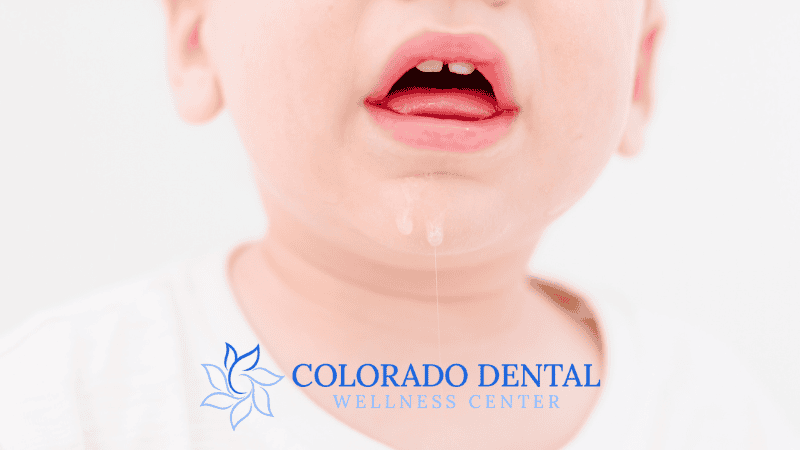
- Open-mouth rest posture, drooling, chapped lips
- Snoring, restless sleep, night sweats, bedwetting, or waking unrefreshed
- Daytime mouth breathing, frequent “stuffy nose”
- Forward head posture
- Dental clues: crowding, narrow upper jaw, posterior crossbite, gummy smile, open bite
- How mouth posture can affect facial structure
Research links habitual mouth breathing with:
- Narrow, high-arched palate and constricted upper jaw
- Increased lower facial height (“long face”), open bite, and certain malocclusions
- Retrusive chin appearance or changes in jaw relationships
- While individual growth patterns vary, these associations have been reported in orthodontic and ENT literature (Harari et al., 2010; Linder-Aronson, 1970; Abreu et al., 2008). Addressing the underlying causes early may help guide more favorable growth and reduce future orthodontic complexity.
Breathing and sleep: Why this is more than cosmetic?
Mouth breathing often overlaps with sleep-disordered breathing—ranging from primary snoring to pediatric OSA. Children with OSA may experience behavioral concerns, attention problems, poor school performance, and impaired growth.
The American Academy of Pediatrics recommends evaluating habitual snoring and sleep-related symptoms because timely treatment (often addressing adenotonsillar hypertrophy and nasal obstruction) can improve outcomes. Dental and orthodontic interventions that expand the palate can also increase nasal volume and may help selected children with narrow maxillae.
Orofacial myofunctional therapy—targeted exercises for tongue and facial muscles—shows promise as an adjunct in pediatric OSA and in stabilizing orthodontic results, though evidence quality varies, and it should be integrated within a broader care plan.
Practical steps for parents
- Observe and record: Notice daytime mouth posture and make a short video of your child sleeping (snoring, pauses, restless movements). Share with your pediatrician or dentist.
- Prioritize nasal health: Manage allergies per pediatric guidance; consider saline rinses, allergen control, or prescribed therapies. Address chronic congestion rather than “waiting it out.”
- Ask about the airway: If your child snores most nights, mouth-breathes, or has recurrent ear/sinus issues, request evaluation for enlarged adenoids/tonsils or nasal obstruction (pediatric ENT).
- See a pediatric dentist/orthodontist: Early orthodontic assessment (often by age 7) can identify narrow palates, crossbites, or crowding linked to airway and posture. In select cases, expansion can improve nasal airflow and create room for the tongue.
- Consider myofunctional therapy—when appropriate: A qualified provider can coach proper tongue posture, lip seal, and nasal breathing. It works best after any nasal obstruction is addressed.
- Support good habits at home: Encourage lips together, tongue to the palate, and nasal breathing during calm activities. Limit prolonged pacifier use and work with your dentist on thumb-sucking cessation strategies.
- Avoid risky “quick fixes”: Do not tape a child’s mouth shut for sleep. Be cautious with internet trends that promise to “reshape” the face; focus instead on medically guided care that targets causes, not just symptoms.
Bottom line
Mouth posture is a window into how a child breathes and develops. Persistent mouth breathing is a sign—not a habit to ignore. With early attention to nasal health, airway evaluation, and coordinated dental and medical care, many children can regain nasal breathing, support healthier facial growth, and sleep better.